


Becoming a freelance python developer can be a rewarding and flexible choice. Python is widely used in web development, data science, and automation.
If you want to change your career or grow your freelance business, learning python can help you succeed.
This page builds on our step-by-step guide to become a freelancer in the UK, focusing specifically on becoming a freelance python developer.
At Work Your Way, we offer local insights and practical advice to help you develop your freelance career.
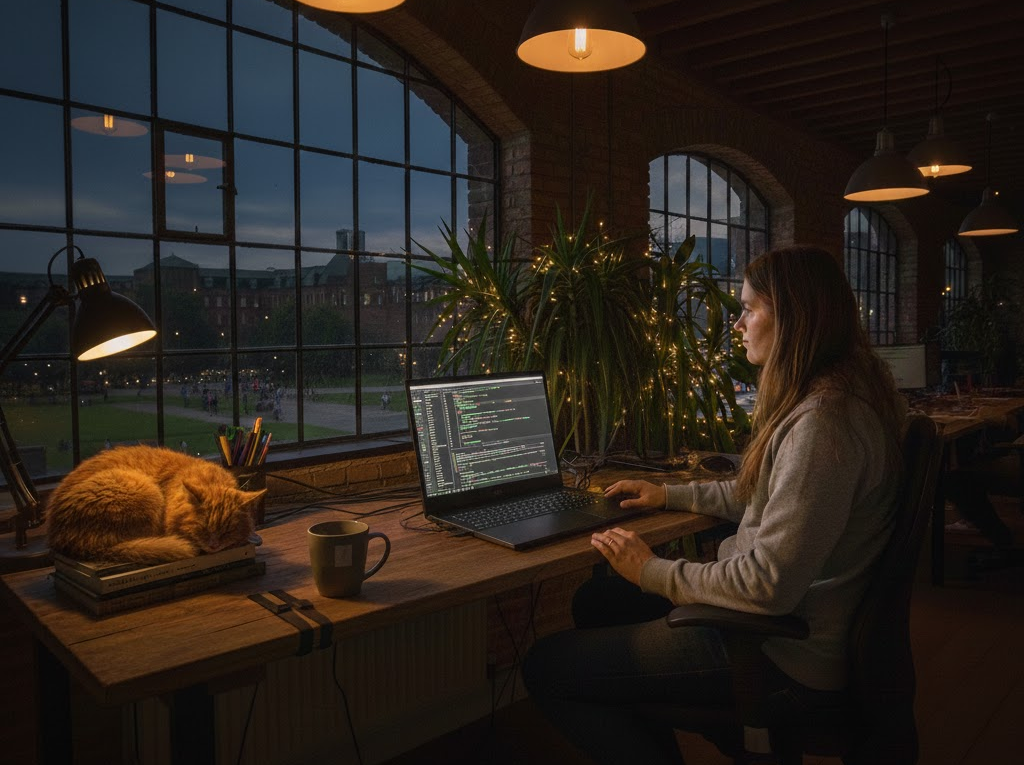
What a Freelance Python Developer Does
As a freelance python developer, you’ll be hired to create software, automate tasks, or analyse data. Projects can range from web applications to data science and scripting, showcasing Python’s flexibility.
Common tasks include:
- Developing software and web applications using Python frameworks.
- Automating processes and tasks for companies to boost efficiency.
- Conducting data analysis and building predictive models using Python libraries.
- Troubleshooting, debugging, and maintaining current code for clients.
If you have not chosen your main freelance service yet, work through Step 2 in the main guide, then come back to this page.
Skills and Tools for Freelance Python Developers
Here are the skills and tools freelance Python developers rely on:
Core Skills:
- Strong understanding of Python programming language
- Familiarity with Python frameworks like Django
- Knowledge of version control systems
- Experience with database management
- Understanding of algorithms and data structures
Tools and Software:
- Integrated Development Environments (IDEs) like Visual Studio Code
- Python libraries like Numpy and TensorFlow
- GitHub or GitLab for version control
- Docker for containerization
- Cloud platforms such as AWS, Google Cloud, or Azure for deployment
The costs of specific tools can vary, especially when using premium cloud services or software licenses.
Helpful Soft Skills:
- Communication
- Time management
- Client handling
Use Step 1 in the main guide to match these skills to your strengths before you commit to becoming a freelance Python developer.
How to Start as a Freelance Python Developer
Here’s how to become a freelance python developer in the UK, based on your starting point:
Already Work in This Role
If you are a Python developer, you can start working freelance by taking small projects in the evenings or on weekends. Use Step 10 in the main guide to plan your transition and make the change smoothly.
Switching From Another Career
If you have a different technical background, you can learn Python and work on novice projects to improve your skills. Step 3 in the pillar can help you choose the right niche based on your past experiences.
No Experience Yet
If you’re new to Python and freelancing, you can start by working on personal projects.
Examples of projects could include:
- Building a simple web scraper for extracting data from a website
- Writing a Python script to automate a routine task
- Creating a basic Flask app to showcase your web development skills
- Developing a small automation tool for personal or client use
A portfolio entry should include the original text, your edited version, a note on changes made, and the outcome, like clearer structure or improved readability.
Portfolio Ideas for Freelance Python Developers
A strong portfolio should include:
- Before and after examples to demonstrate how you solved a problem
- Many Python-related projects like web applications, scripts, etc.
- A clear description of the project scope, your process, and the outcome
Sample projects include:
- Developing a basic app, such as a blog or task manager.
- Creating a scraper to gather and store data from a public website.
- Automating a business process like email marketing
Use the case study format:
- Project overview
- Starting point
- Development process
- Tools used
- Outcome
- Final proof
Follow the portfolio structure in Step 7 of the guide, then plug in these Python-related samples.
Rates and Client Types for Freelance Python Developers
Starter Rates:
As a beginner, your fees may start low to build your portfolio, typically ranging from £20 to £40 per hour based on complexity. With more experience, you can charge between £60 and £100 for complicated tasks.
According to Aalpha, a mid-level freelance Python developer typically charges £45 and £75 per hour. This highlights the growing demand for skilled Python developers across data analysis, automation, and web development.
Common Client Types:
- Startups
- Small businesses
- Larger enterprises
Sample Pricing Models:
- Hourly rates
- Per-project rates
- Retainer or ongoing work
Use the freelance income and tax guide to assess how your developing rates sit against income tax, National Insurance, and expenses.
Set Up to Work From Home as a Freelance Python Developer
As a freelance Python developer, work from home is often the best option. Here’s how to begin:
- A laptop with adequate RAM and processing power for Python development and virtual environments.
- External monitors for improved productivity and multitasking.
- A well-lit workspace with minimal distractions for focused coding sessions.
For details on setting up a home office, see Step 6 in our main guide.
Next Steps If You Want to Freelance as a Python Developer
To start as a freelance Python developer successfully, here’s what you should do next:
- Understand the key tasks of a freelance Python developer
- Match your skills with the tools and software required
- Start building your developing portfolio
- Set your rates and define your target client types
- Secure your first freelance project while still employed
Use the main step by step guide for your overall plan, then return to this page whenever you refine services, adjust rates, or pitch new clients.