

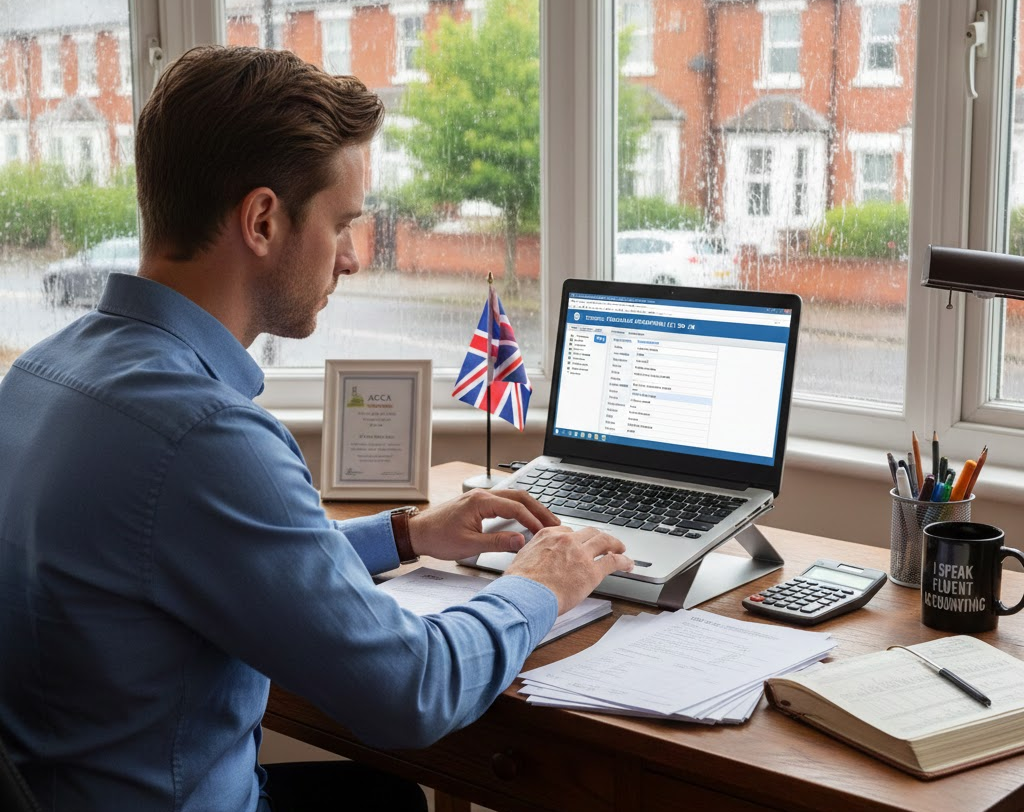
Freelance accounting is a good fit for people who enjoy organising, analysing numbers, and helping businesses stay financially compliant.
In the UK, many businesses rely on freelance accountants for daily financial support. A recent report from IPSE confirms that over 2 million freelancers currently work in the UK, with many of them in accounting and professional services.
This matters because small businesses, startups, and self-employed professionals often need expert financial support but do not have the budget or workload to hire full-time staff.
Freelance accountants provide flexible support that meets each client’s needs.
This page builds on our step-by-step guide to become a freelancer in the UK with a focus on being a freelance accountant.
At Work Your Way, we offer local insights and practical advice to help you develop your freelance career.

What a Freelance Accountant Does
A freelance accountant works independently to manage clients’ financial records. They help business owners:
- Maintain accurate financial records
- Meet HMRC and legal requirements
- Stay organised year-round
Many freelance accountants juggle multiple clients at once.
Their work helps businesses run smoothly and meet reporting deadlines. This allows business owners to make informed decisions and stay compliant.
Routine tasks include:
- Organising and reviewing financial records
- Managing VAT returns and filings
- Preparing data for self-assessment or corporate tax
- Helping with payroll and pension documentation
- Creating monthly or quarterly reports
- Answering client questions about finances
If you have not chosen your main freelance service yet, work through Step 2 in the main guide, then come back to this page.
Skills and Tools for Freelance Accounting
Here are the skills and tools freelance accountants rely on:
Core Skills:
- Strong math skills and attention to detail
- Knowledge of UK tax rules and HMRC processes
- Training or qualifications such as AAT, ACCA, or ICAEW
Tools and Software:
Most freelancers use apps like the following:
- Xero
- QuickBooks
- FreeAgent
- Microsoft Excel
Software expenses often range from £10 to £30 per client per month. These costs affect pricing later on.
Helpful Soft Skills:
- Clear communication with clients
- Strong time management to meet tax and filing deadlines
- Basic client organisation to avoid missed tasks or errors
Use Step 1 in the main guide to match these skills to your strengths before you commit to freelance accounting.
How to Start as a Freelance Accountant
Here’s how to become a freelance accountant in the UK, depending on different starting points:
-
Already Work in Accounting
Many freelancers start their journey while still working at a job. Taking on clients in the evening or on weekends can boost confidence. Good time management is important.
-
Switching from Another Career
You can use transferable skills to start freelancing tasks. Jobs in administration, finance, payroll, or business support fit well. Step 3 in the main guide helps you choose a niche that aligns with your experience.
-
No Experience Yet
There are many opportunities to learn. Training programs can build your essential skills. Gaining practical work experience helps showcase your talents. This approach can help anyone start freelancing without any prior experience.
This is an easy way to learn how to start freelancing with no experience. Concentrate on showing your work instead of worrying about job titles.
Here are some examples of what you can do:
- A fictional client with sample transactions
- A test bookkeeping setup for a local sole trader
- A walkthrough of how to prepare a VAT return
A simple portfolio entry should demonstrate the client type, the software you used, and the outcomes you achieved.
Portfolio Ideas for Freelance Accounting
A strong portfolio sample shows that it is accurate, precise, and reliable.
Each sample includes:
- Client type or situation
- Task completed
- Tools used
- Results delivered
Examples of project ideas:
- Monthly bookkeeping for a café
- VAT filing for a trading business
- Setting up payroll for a startup
- Self-assessment support for a sole trader
Structure of case study:
- Situation
- Task completed
- Outcome
- Client benefit
Use the portfolio format from Step 7 of the main guide and include these accounting examples.
Rates and Client Types for Freelance Accounting
Starter Rates:
Freelancers set their rates based on their skills and specialisation. For income planning, check Step 4 in the main guide.
New freelancers usually charge between £25 and £40 per hour. As you gain skills or work with more valuable clients, your rates may increase.
Common Client Types:
- Individual entrepreneurs, ideal for beginners
- Small and medium-sized businesses
- Accounting firms needing extra support during busy periods
Simple Pricing Formats:
- Hourly or day rates
- Monthly bookkeeping retainers
- Ongoing payroll or VAT packages
Use the freelance income and tax guide to check how your accounting rates compare against income tax, National Insurance, and expenses.
Set Up to Work From Home as a Freelance Accountant
Build on Step 6 on the main guide.
Most freelance accounting work requires:
- A quiet workspace
- Reliable internet
- Secure file storage
- Approved accounting software
Data security is important when handling client records.
Many freelancers have a weekly routine. They complete client work in the evenings and handle admin tasks on the weekends.
An online profile should clearly show:
- Services offered
- Software experience
- Client types supported
- Contact details
Next Steps If You Want to Freelance as an Accountant
The steps are simple. Focus on action.
- Understand freelance accounting work
- Match skills and tools
- Build a small accounting portfolio
- Set starter rates and client focus
- Land one small client while employed
Use the main step by step guide for your overall plan, then work through this accountant page each time you choose services, set rates, or pitch to new clients.